



In Just 3 Months, This Fleet Reduced Fuel Costs by 8% – What Was the Secret?
In the transportation industry, fuel is one of the largest operating expenses and directly affects profitability. However, existing management processes and consistent reporting do not necessarily mean that fuel consumption has been fully optimised.
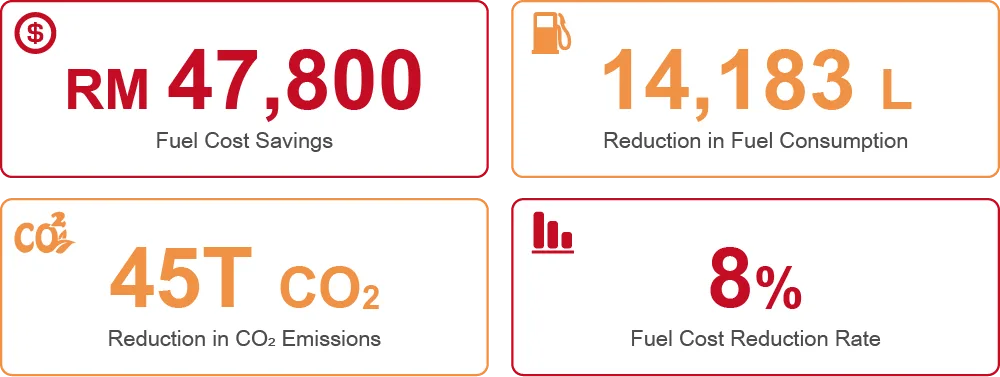
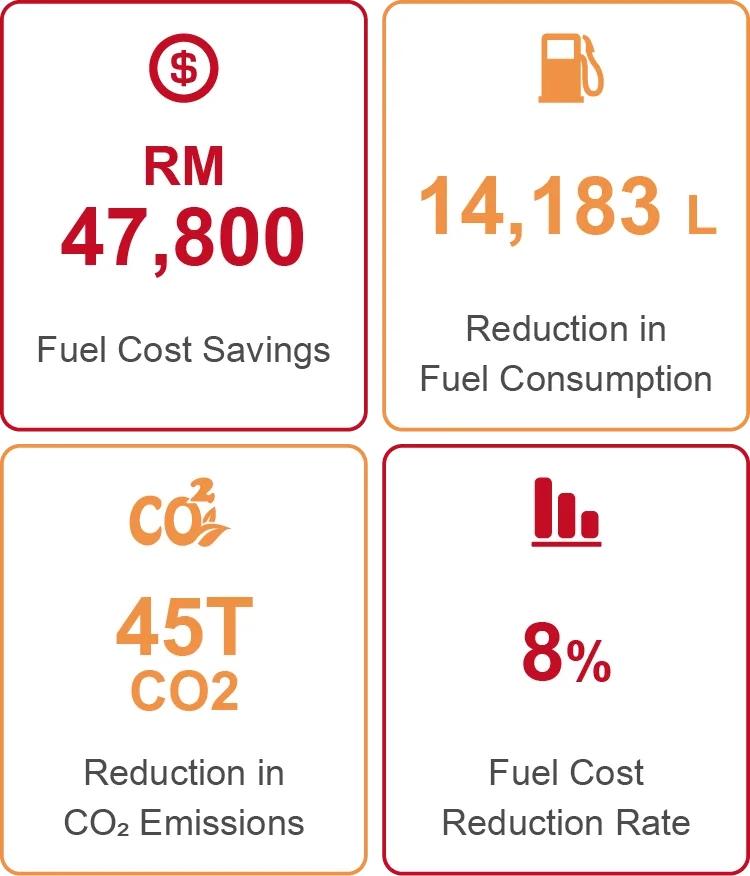
A real-world case involving one of our customers, which operates a large logistics fleet, has shown that there is still room to reduce unnecessary costs. Through in-depth data analysis and adjustments to its management approach, the company successfully reduced fuel costs by 8% in just three months, equivalent to approximately RM47,800. It is time for your company to take a fresh look at its data and unlock this potential for savings.
From Data Reporting to Operational Insights
Month-end reports only show you the results but cannot explain why waste occurs. Replacing manual record-keeping with a Fuel Sensor is a turning point that enables you to:
Eliminate “blind spots”: Know exactly which vehicles have abnormal fuel consumption and why.
Connect the data: Clearly understand the relationship between fuel consumption and driving behaviour.
Respond immediately: Real-time data helps address issues as soon as they arise, without waiting for reconciliation.
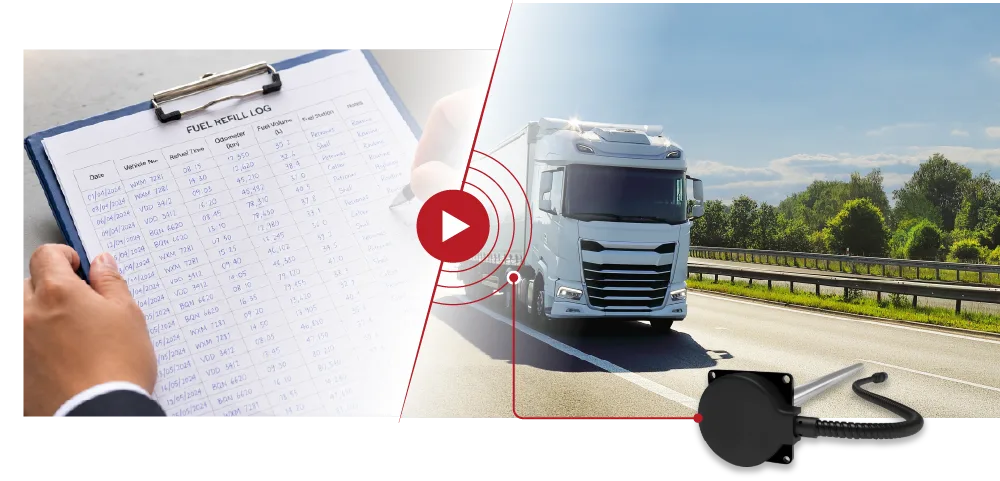
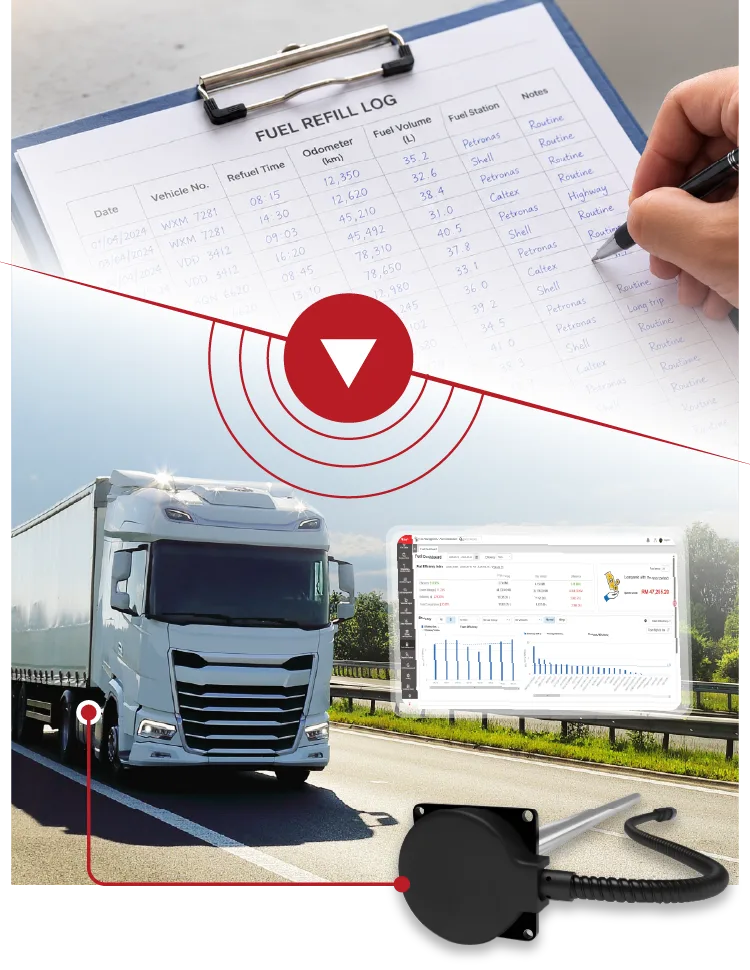
Shifting from reactive to proactive management is precisely how the customer above achieved an 8% cost reduction.
Different driving habits can lead to a 15%–30% difference in fuel consumption
According to the U.S. Department of Energy, driving behaviours such as rapid acceleration, sudden braking, and sharp cornering can increase fuel consumption by approximately 15% to 30%. This not only wastes fuel but also increases operational safety risks and the risk of traffic accidents.
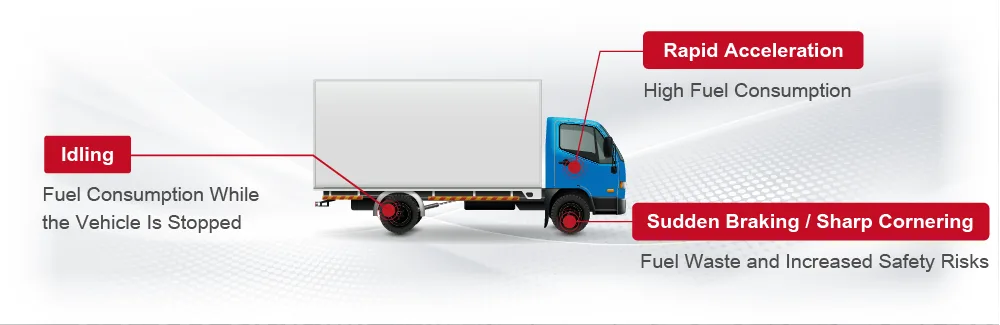
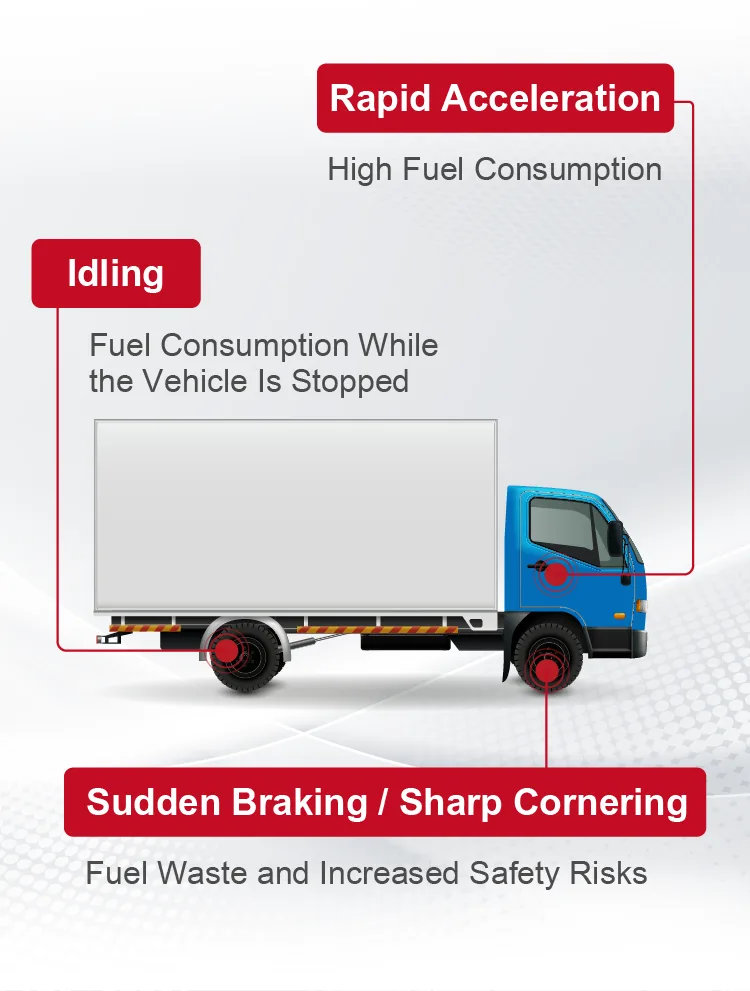
In this case, we analysed fuel data and driving behaviour. Under conditions where the vehicles had comparable performance, a comparison between two drivers showed that behaviours such as rapid acceleration, sudden braking, sharp cornering, and idling resulted in clear differences in fuel consumption.
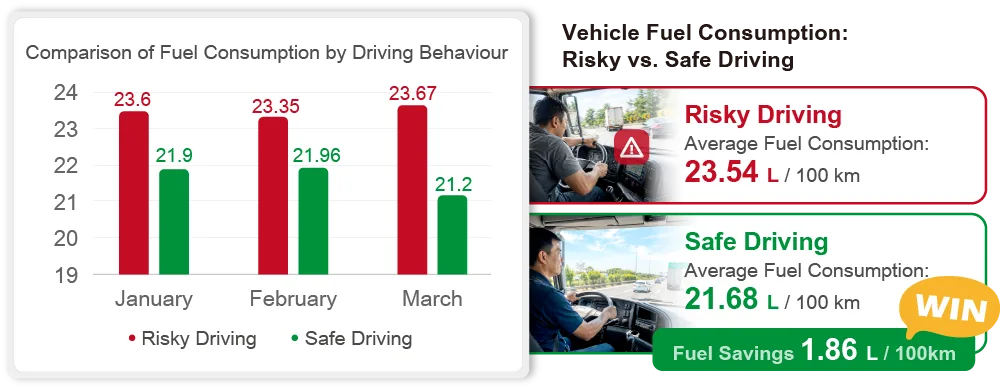
The results above show that poor driving habits do increase fuel consumption. These differences may not be easily noticeable in the short term, but if they persist, they will become one of the key factors driving up the fleet’s total fuel costs.
Detect fuel anomalies in real time to prevent financial losses
In many fleet management models, fuel anomalies are often detected only after refuelling receipts have been reconciled, outstanding balances have been checked, or reports have been reviewed. By the time it is discovered that fuel consumption does not match actual usage, tracing the issue and identifying its cause have already become much more difficult.
In this case, while the vehicle was in operation, the fleet management system immediately detected an abnormal drop in fuel level and simultaneously sent alerts through the web platform and mobile app. Upon receiving the notification, the management staff contacted the driver and asked them to stop the vehicle for inspection. The on-site inspection confirmed that a fuel leak had caused fuel consumption to deviate from normal operating levels.
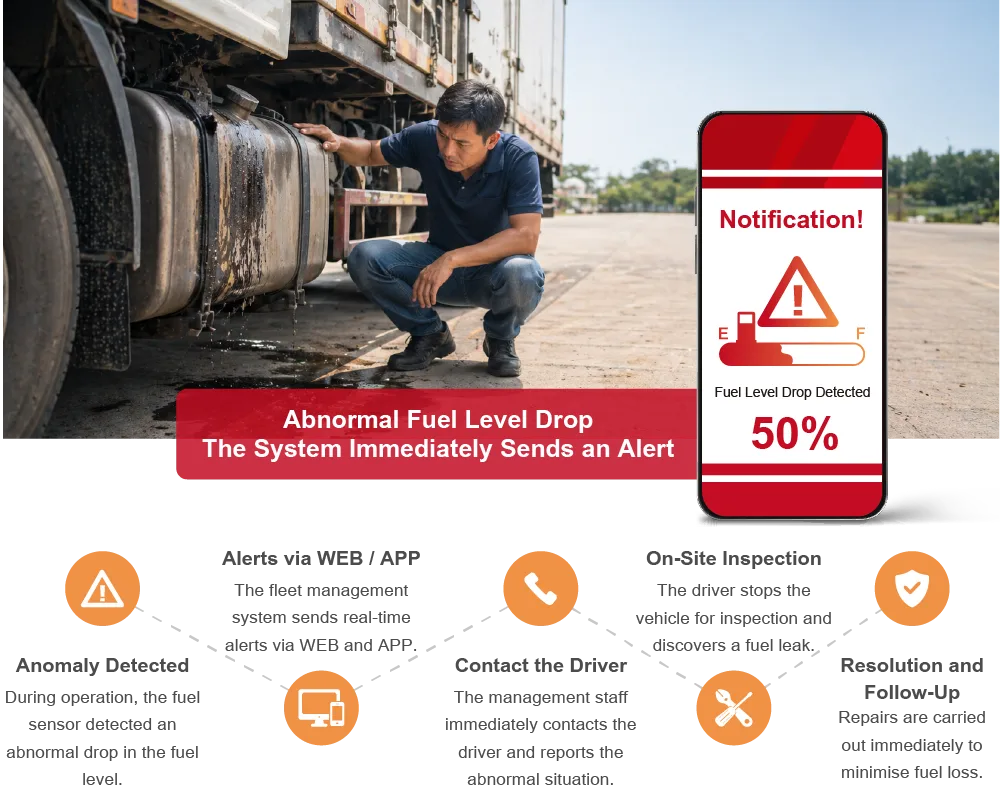
In summary, within just three months of implementing fuel management and optimising fuel efficiency, this customer’s fleet reduced fuel consumption by 14,183 litres and saved approximately RM47,800. Compared with before, total fuel costs decreased by approximately 8%.
The true value of fuel management lies in transparency and continuity. This is the key to optimising operations, ensuring safety, and moving toward ESG standards.
Are you looking for opportunities to further optimise your fleet? Let us work alongside you to uncover the connection between data and profitability. Contact EUP today to discuss a comprehensive fleet management solution.
If you are also considering whether your current fleet management model can be further optimised, or would like to better understand the relationship between fuel consumption, driving behaviour, and operational anomalies, please contact us.
We will work alongside you to build a fleet management solution that is more efficient, safer, and more sustainable.


