



New Rules for Lorries below 7.5T, from Apr 1
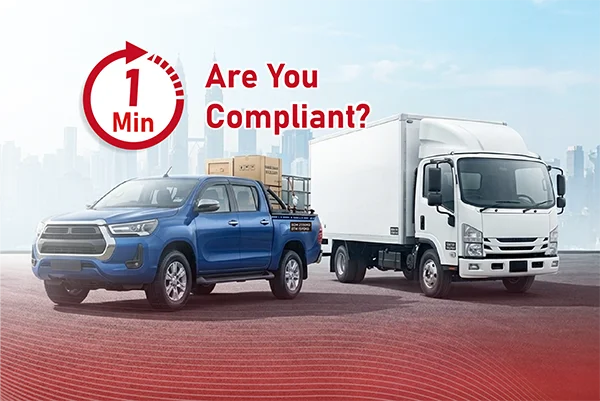
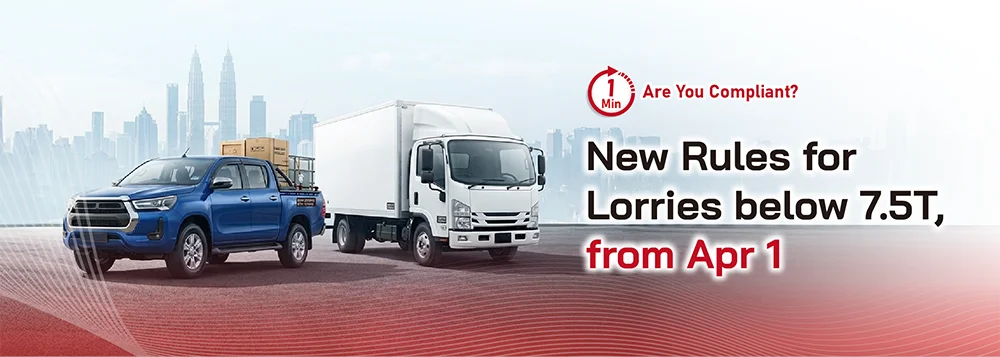
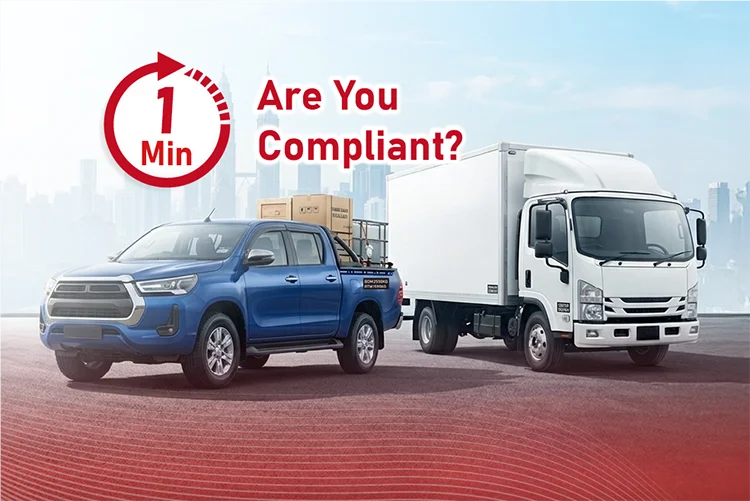
The Ministry of Transport Malaysia (MOT) officially released the latest guidelines in March 2026 regarding the use of decontrolled vehicles and pickup trucks. The new regulation applies to goods vehicles and pickup trucks with a Gross Vehicle Weight (BDM) of 7,500kg and below, and will take effect from April 1.
While the policy lowers entry barriers for SMEs, it also reflects a clear trend — management of light and medium lorries is moving towards more precise and digitalized control. Below are the three key highlights of the new regulation:
1.APAD Requirements for Self-Use vs Commercial Use Lorries
According to the guidelines, the new regulation clearly distinguishes whether lorries below 7.5T are required to obtain an APAD permit based on how they are used.
If the lorry is used to transport company-owned goods, no APAD operating permit is required. However, if the lorry is used to transport third-party goods for hire or reward, it will be considered a commercial transport activity. In this case, companies must comply with the Land Public Transport Act 2010 and obtain an APAD A Licence (Goods Vehicle Permit), along with meeting the relevant fleet management and monitoring requirements. Non-compliance may result in penalties
| Item | Transporting Own Goods | Transporting Third-Party Goods |
| Permit Requirement | No APAD Permit required | APAD A Licence required |
| Monitoring Requirement | No specific requirement | Must comply with lorry management & monitoring requirements (e.g. fleet management system / GPS) |
| Enforcement | Basic safety compliance | Higher enforcement and inspection focus |
2.Lower Driving License Requirement (Class D)
To ease manpower constraints in the logistics sector, drivers holding a Class D license are now allowed to operate decontrolled lorries with an unladen weight of up to 4,000kg, providing greater flexibility in lorry deployment.
3.Private Pickup Trucks Must Comply with Loading Regulations
Privately registered pickup trucks are allowed to carry company-owned goods, provided that proper load securing is followed and legal weight limits are not exceeded to ensure road safety.
Relaxation Does Not Mean Less Control: Digital Management is the Trend
While the new policy reduces administrative barriers, the overall regulatory direction is moving towards greater lorry visibility and data-driven management.
Regardless of lorry size, once it involves commercial transport activities, real-time lorry monitoring and data-driven management will become a fundamental requirement for both compliance and operational control.
Relaxation Does Not Mean Less Control: Digital Management is the Trend
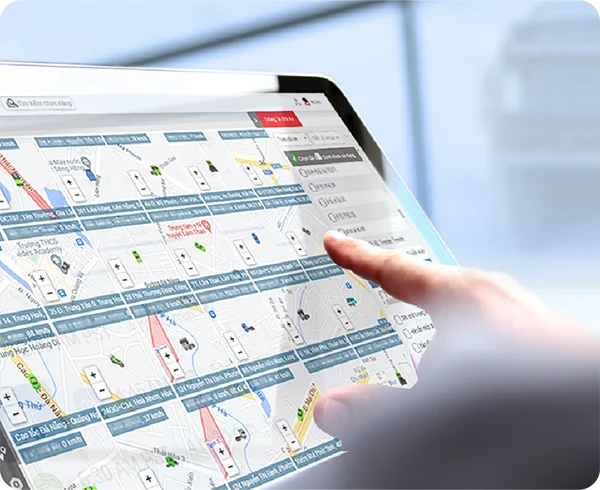
Stay Ahead: Turn Compliance into Competitive Advantage
With the new regulation taking effect on April 1, companies should not view vehicle management as merely a compliance requirement.
Adopting a digital fleet management system early can help businesses gain a competitive edge. By optimizing routes through data, companies can reduce empty trips and unnecessary detours. Improving driving behavior can also enhance fuel efficiency, potentially reducing fuel costs by 10%–15%.
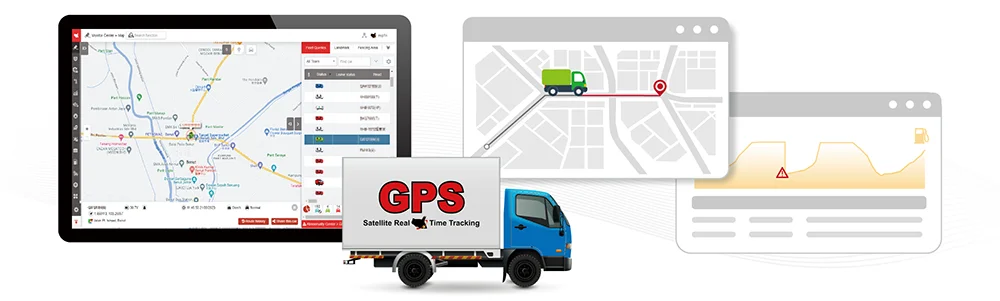
Compliance is only the starting point — leveraging digital tools to improve efficiency and take on more business opportunities is what creates long-term competitive advantage.
Is Your Fleet Ready for the New Rules?
Our professional team is ready to provide free consultation.
For more information on regulations and solutions, feel free to contact us.
WhatsApp: +60 16-200 7682
More to Read
Same Fleet Tracking, but More Savings & Safety – What’s Their Secret?